Proactive Care
Not every problem tree needs to come all the way down.
Why Trim Instead of Remove
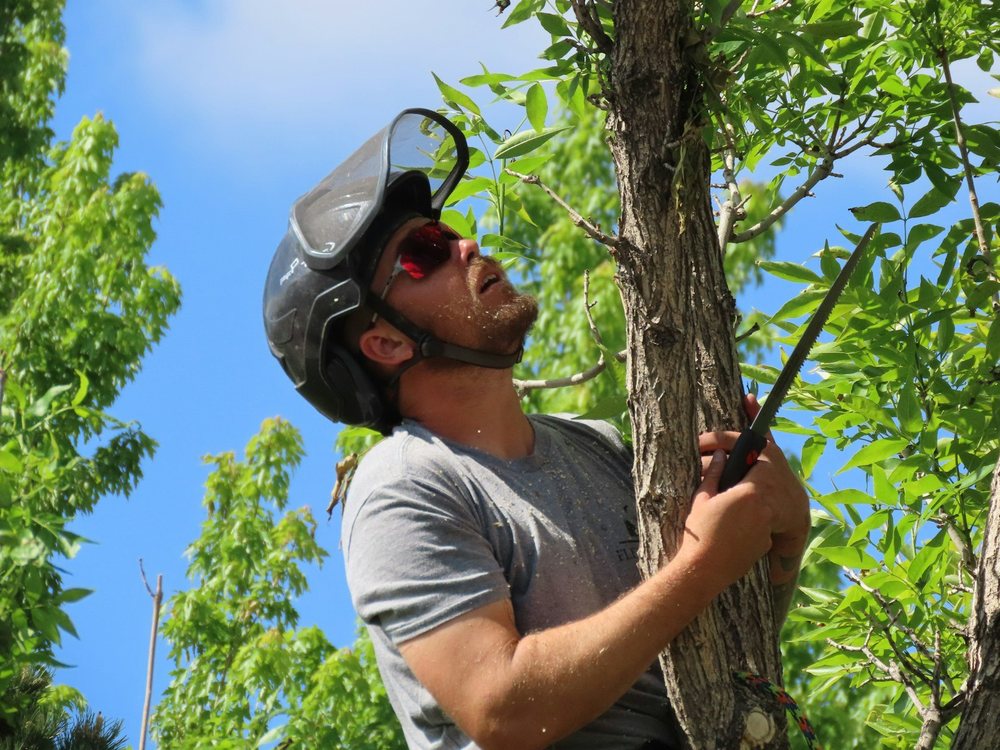
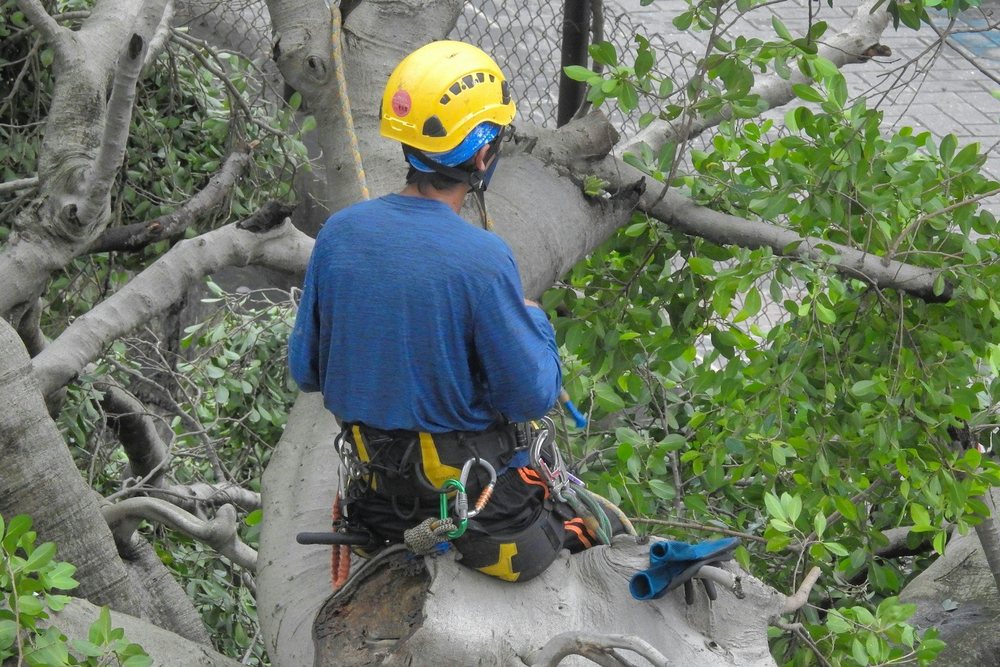
A good number of our removal estimates end with the same conversation: the tree doesn't actually need to come down — it needs the dead wood cut out and the canopy thinned so it isn't catching wind like a sail during the next storm. Daviess County Tree Co. offers real trimming and pruning work, not just removal, because a tree that's properly maintained is a tree that's less likely to turn into an emergency call in the first place. We'll tell you honestly which situation you're in before we ever pick up a saw.
Where We Work
Tree trimming is available anywhere we do tree removal. See all the areas we serve →
Cutting out dead, cracked, or hanging limbs before they come down on their own — usually the fastest, cheapest way to deal with a tree that's showing early warning signs. Not sure if what you're looking at qualifies? Try our free Tree Diagnosis tool.
Reducing canopy density so wind passes through instead of catching the whole crown — a real factor in Daviess County, where storm-weakened trees are a documented local risk, not a hypothetical one.
Cutting branches back from a roofline, driveway, fence line, or power line before they become a bigger problem — the kind of maintenance that's easy to put off until it isn't.
Cost Planning
| Tree size | Typical cost range |
|---|---|
| Small (under 30 ft) | $80 – $250 |
| Medium (30–60 ft) | $250 – $600 |
| Large (60–80 ft) | $500 – $1,000 |
| Very large (80+ ft) or specialty pruning | $800+, quoted on-site |
These are general ranges — scope (deadwooding vs. a full canopy thin), access, and proximity to structures or power lines all move the price. Every job gets a free, written estimate before any work starts.
How It Works
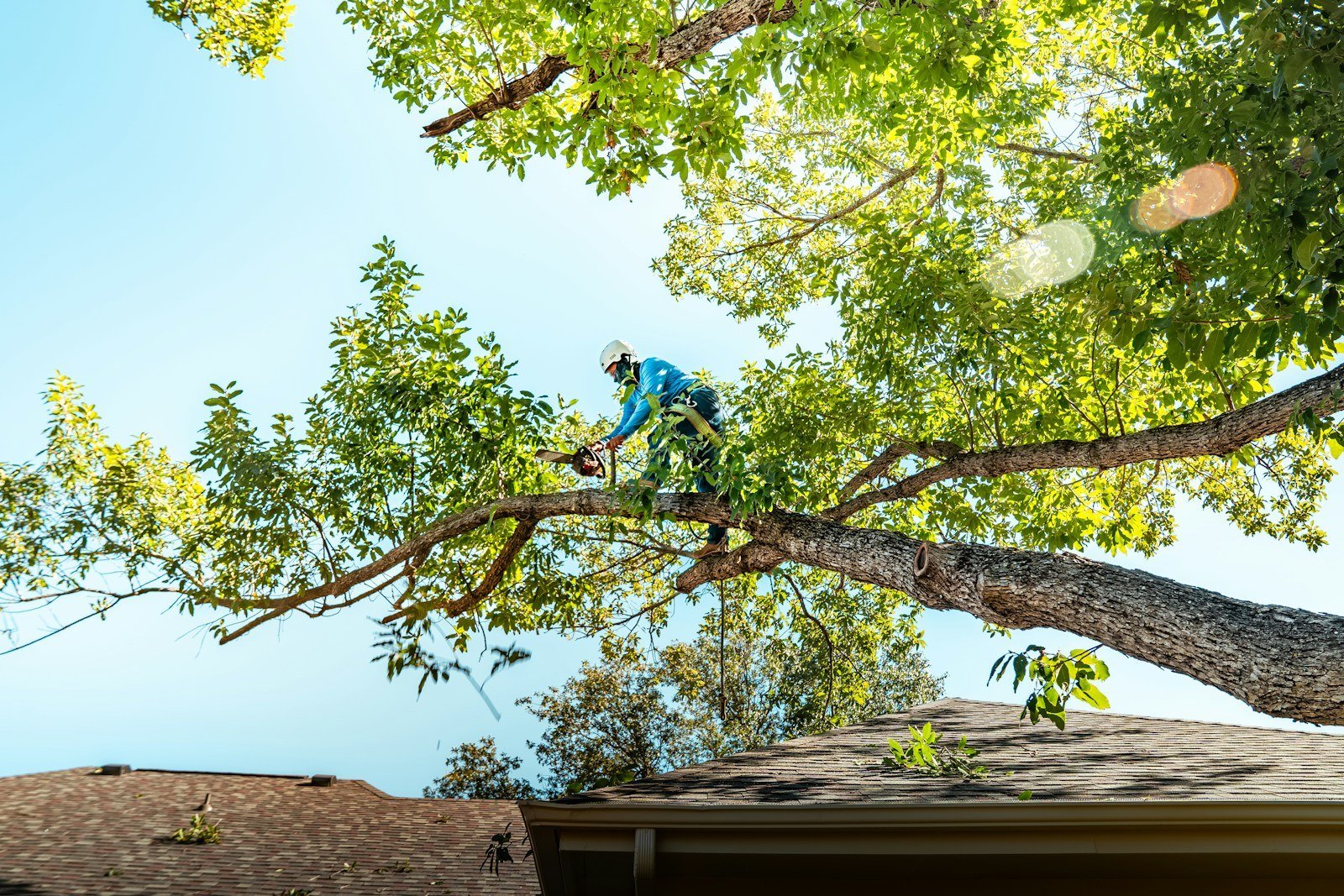
If the problem is limited to specific branches — dead wood, storm damage to part of the canopy, growth into a power line or roofline — trimming usually solves it. If the trunk itself is cracked, the tree is leaning more than it used to, or the whole tree is declining, removal is usually the safer call. We'll give you a straight answer during the free estimate, not just upsell whichever job pays more.
Late winter, while trees are dormant, is generally the safest window for major pruning — but dead or hazardous limbs get cut whenever they're found, storm season included. We schedule around urgency first, ideal timing second.
Routine trimming on your own property typically doesn't trigger the same permit questions as a full removal, but we check every job against the city's current rules during the estimate rather than assume. See our FAQ page for more on permits.
Get a free, honest on-site assessment.
Enter your city or ZIP code to see if we serve your neighborhood.